
Kia Cadenza YG: Emission Control System / Components and Components Location
| Components Location |
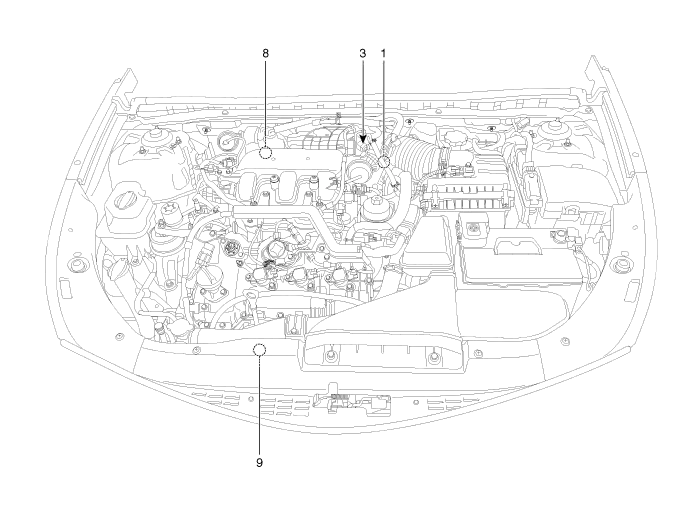
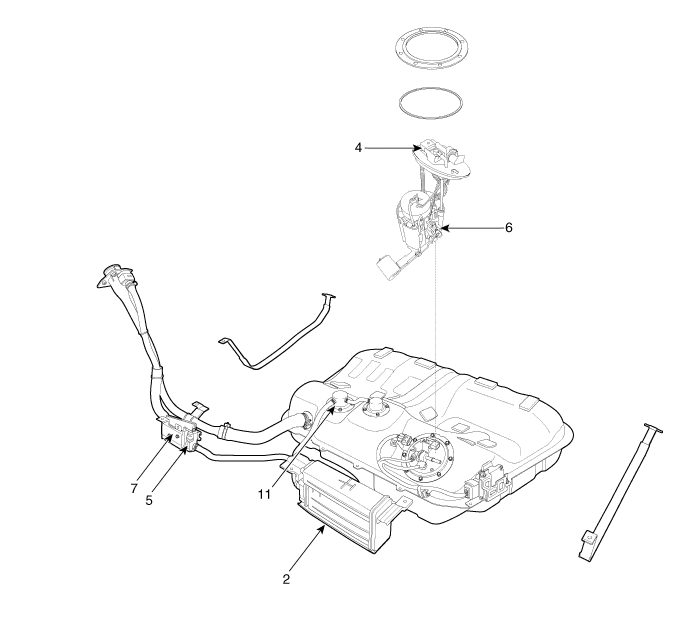
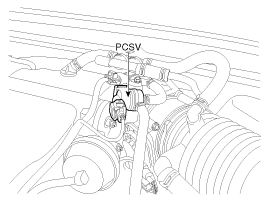
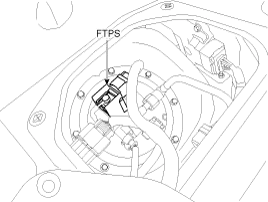
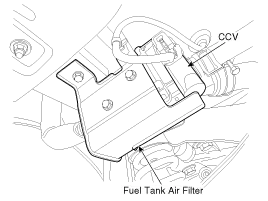
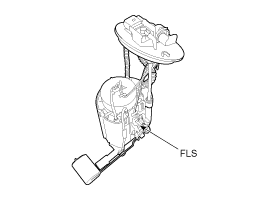
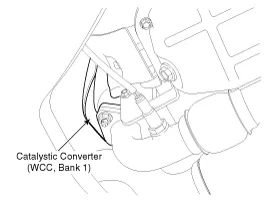
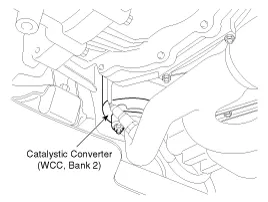
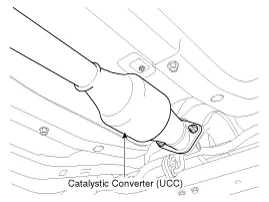
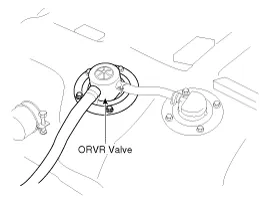
| 1. PCV Valve 2. Canister 3. Purge Control Solenoid Valve (PCSV) 4. Fuel Tank Pressure Sensor (FTPS) 5. Canister Close Valve (CCV) 6. Fuel Level Sender (FLS) | 7. Fuel Tank Air Filter 8. Catalytic Converter (WCC, Bank 1) 9. Catalytic Converter (WCC, Bank 2) 10. Catalytic Converter (UCC) 11. On-board Refueling Vapor Recovery (ORVR) Valve |
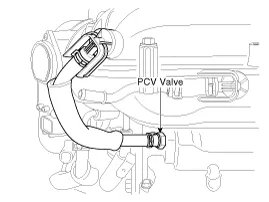
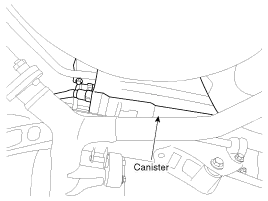
| 1. PCV Valve | 2. Canister |
|
|
| 3. Purge Control Solenoid Valve (PCSV) | 4. Fuel Tank Pressure Sensor (FTPS) |
|
|
| 5. Canister Close Valve (CCV) 7. Fuel Tank Air Filter | 6. Fuel Level Sender (FLS) |
|
|
| 8. Catalytic Converter (WCC, Bank 1) | 9. Catalytic Converter (WCC, Bank 2) |
|
|
| 10. Catalytic Converter (UCC) | 11. On-board Refueling Vapor Recovery (ORVR) Valve |
|
|
Specifications Purge Control Solenoid Valve (PCSV) ▷ Specification ItemSpecificationCoil Resistance (Ω)22.0 ~ 26.0 [20°C(68°F)] Fuel Tank Pressure Sensor (FTPS) ▷ Type: Piezo-Resistive Pressure Sensor ▷ Specification Pressure (kPa)Output Voltage (V)-6.
Description Emissions Control System consists of three major systems. • Crankcase Emission Control System prevents blow-by gas from releasing into the atmosphere.
Other information:
Kia Cadenza YG 2016-2021 Service Manual: Temperature Control Actuator Repair procedures
Inspection 1. Ignition "OFF" 2. Disconnect the connector of temperature control actuator. 3. Verify that the temperature control actuator operates to the hot position when connecting 12V to the terminal 3 and grounding terminal 7. Verify that the temperature control actuator operates to the cool position when connecting in the rev
Kia Cadenza YG 2016-2021 Service Manual: Blower Resistor Repair procedures
Inspection 1. Measure terminal - to - terminal resistance of blower resistor. 2. If measure resistance isnot within specification, the blower resistor must be replaced. Replacement 1. Disconnect the negative (-) battery terminal. 2. Remove the crash pad lower cover (A) and then disconnect the connector (B).
Categories
- Manuals Home
- Kia Cadenza Owners Manual
- Kia Cadenza Service Manual
- Timing Chain Repair procedures
- Schematic Diagrams
- Schematic Diagrams
- New on site
- Most important about car
