
Kia Cadenza YG: ESC(Electronic Stability Control) System / Yaw-rate and G Sensor Description and Operation
| Description |
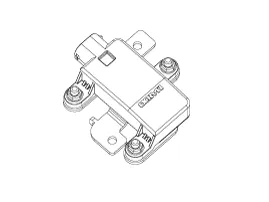
| Description | Specification | Remarks | |
| Operating voltage | 10 ~ 16V | ||
| Output signal | CAN Interface | ||
| Operating temperature | -40 ~ 85°C (-40 ~ 185°F) | ||
| Yaw-rate sensor | Measurement range | -75 ~ 75°/sec | |
| Frequency response | 15 ~ 45Hz | ||
| Lateral G sensor | Measurement range | -14.715 ~ 14.715m/s² | |
| Frequency response | 50Hz ± 60% (±3dB) | ||
Removal 1. Remove the rear wheel and tire. Tightening torque: 88.3 ~ 107.9 N.m (9.0 ~ 11.0 kgf.m, 65.1 ~ 79.6 lb-ft) 2. Remove the rear wheel speed sensor mounting bolt (A).
Removal 1. Turn ignition switch OFF and disconnect the negative (-) battery cable. 2. Remove the floor console. (Refer to the Body - "Console") 3.
Other information:
Kia Cadenza YG 2016-2021 Service Manual: Adaptive Front Lighting System Description and Operation
Description AFLS Unit(ECU) AFLS located in Cockpit Module is provided information of vehicle (steering wheel signal,vehicle speed, inclination of vehicle). Based on provided information , it calculates algorithm and adjust Low beam of H/Lamp. It transmits driving information by using LIN protocol, it is operated in Fail-safe reaction mode
Kia Cadenza YG 2016-2021 Service Manual: Surround View Monitoring Switch Repair procedures
Removal 1. Disconnect the negative (-) battery terminal. 2. Remove the floor console upper cover. (Refer to Body - "Floor Console Assembly") 3. Disconnect the console upper cover connector (A). 4. Remove the cup holder assembly (A) after loosening the mounting screws.
Categories
- Manuals Home
- Kia Cadenza Owners Manual
- Kia Cadenza Service Manual
- Schematic Diagrams
- Engine Control / Fuel System
- Schematic Diagrams
- New on site
- Most important about car
